Category
Situation & Context
Year
2026 - Present
Location
Nukus, Karakalpakstan / Uzbekistan
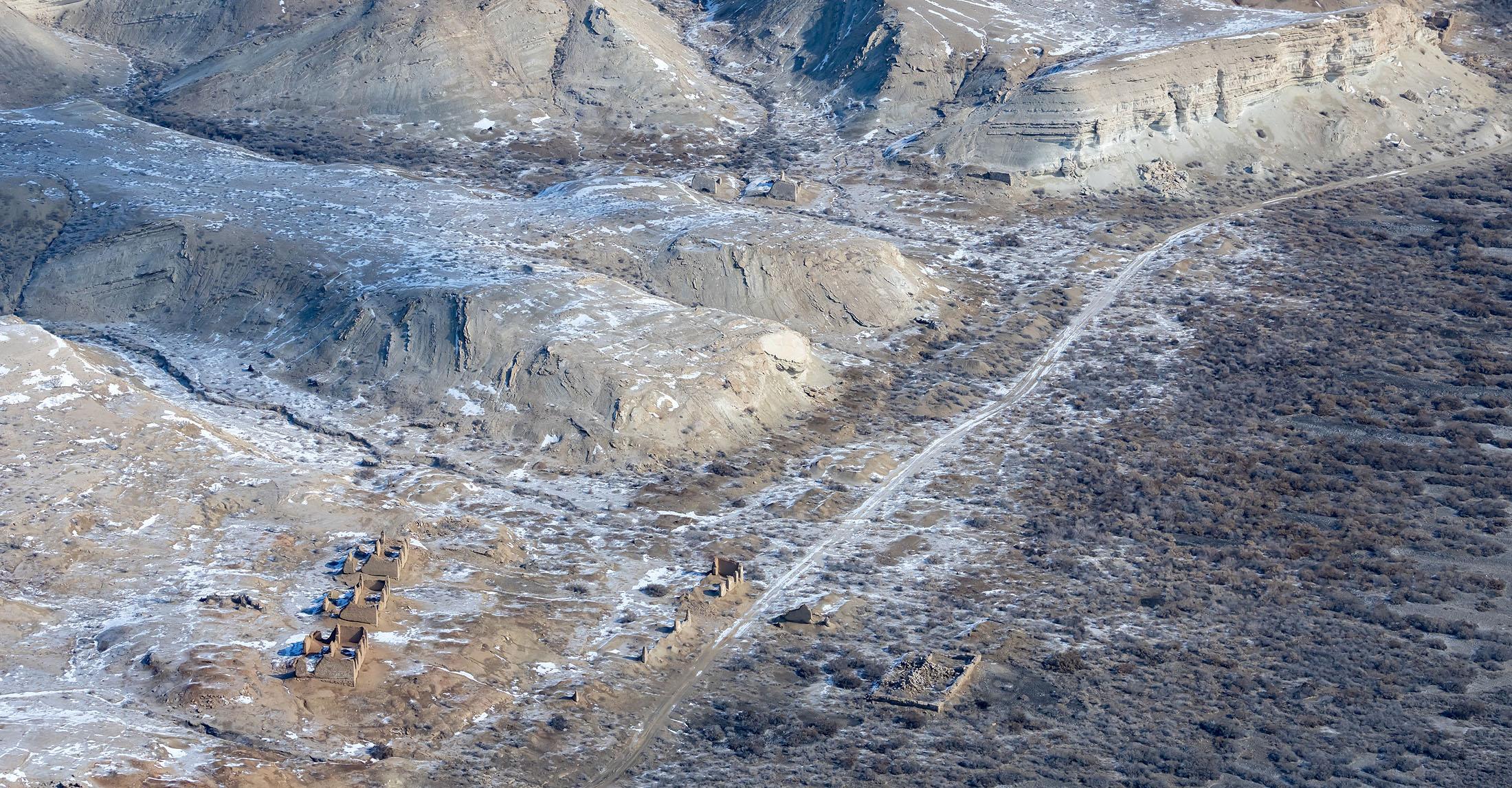
The Aral Sea is a place where all the most urgent concerns of today come together. Soil, water, energy, food, textiles and air quality, it can be seen as the live laboratory of the future and can help us rethink what’s possible for many generations to come.
This is the starting point for the Aral School, a new interdisciplinary postgraduate programme launched in 2026, commissioned by the Uzbekistan Art and Culture Development Foundation (ACDF) and led by Jan Boelen as Programme Director.


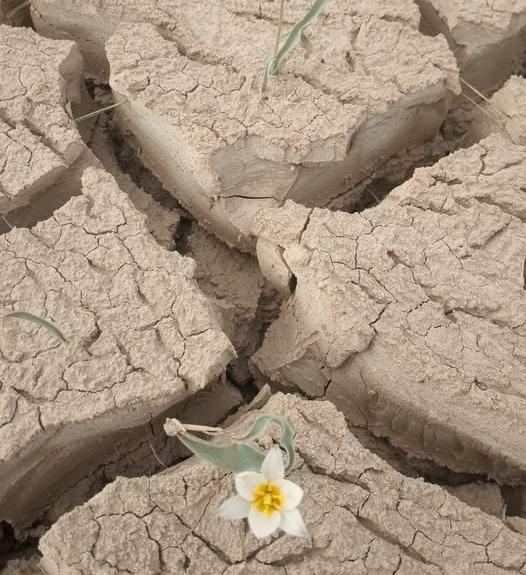
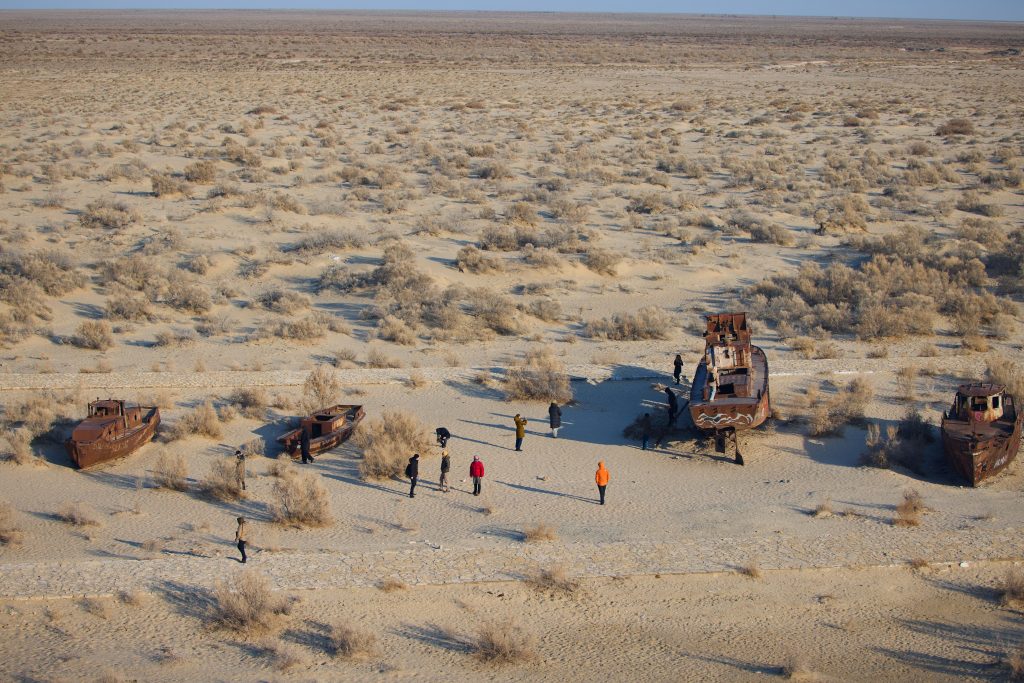
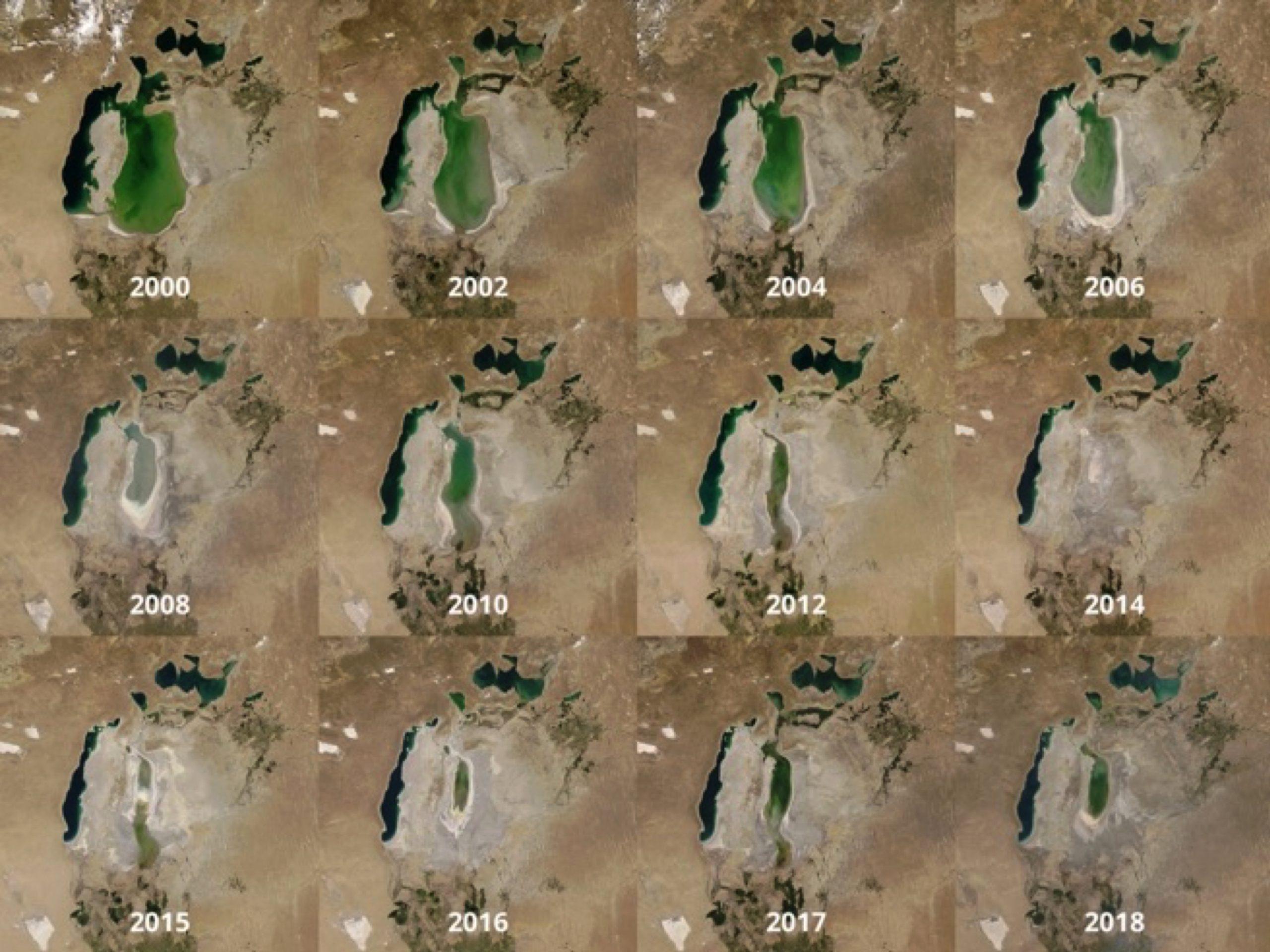
Once the size of Switzerland, the Aral Sea has shrunk to approximately 10% of its original size since the 1960s, creating an environmental and cultural crisis that has disrupted traditional communities and the local economy . Rather than viewing this as a terminal diagnosis, the Aral School approaches the region as a live laboratory, a place to prototype new forms of cultural and ecological regeneration.
The pilot edition of the Aral School brings together 20 postgraduate participants, 10 from Uzbekistan and Karakalpakstan, and 10 from around the world, for a six-month programme based in Nukus.


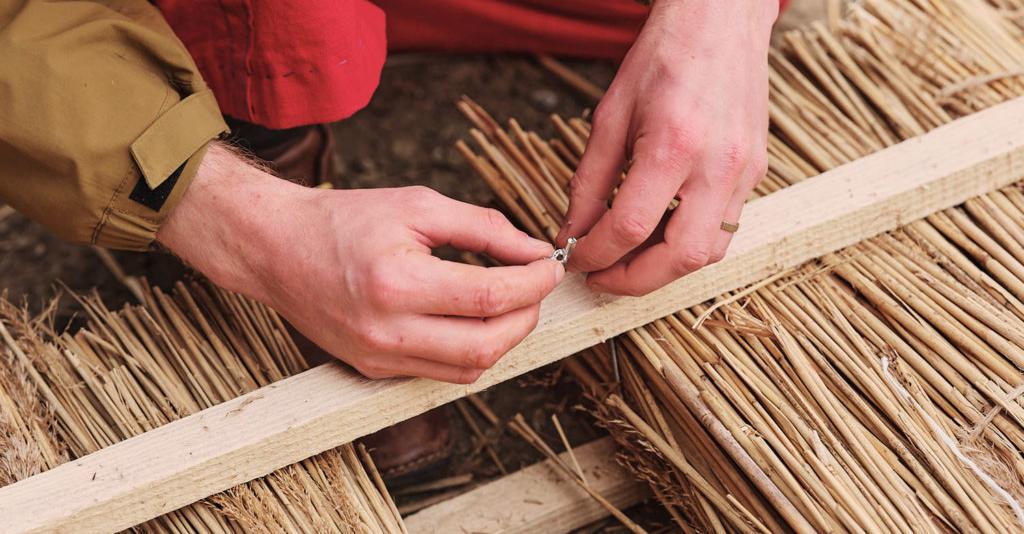
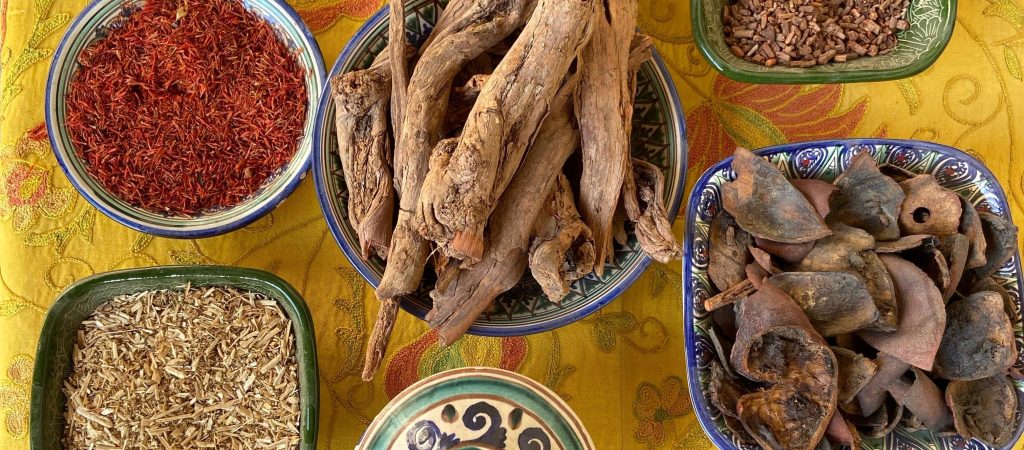
The curriculum applies a four-step bioregional method developed exclusively for the Aral School: first, identify undervalued local resources; second, connect them through design and prototyping; third, implement solutions with local communities; and finally, share this knowledge globally to help regenerate broken ecosystems. The pilot edition focuses on two interconnected research themes, Food Systems and Water, each explored from molecular to bioregional scales through design research and prototyping.
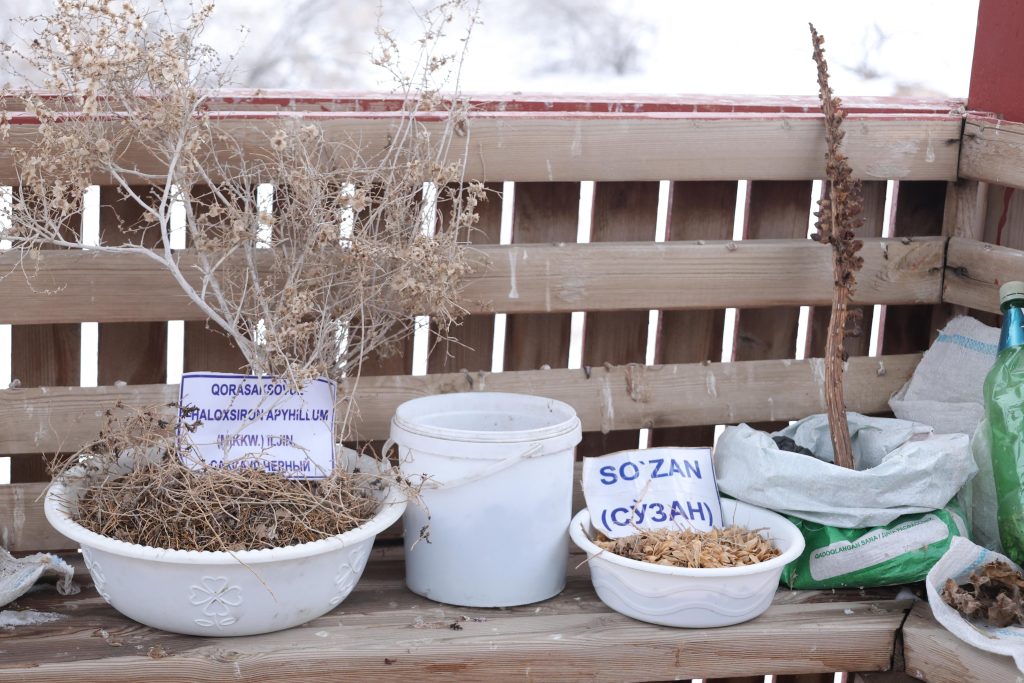
The programme extends beyond the classroom. In March 2026, Aral School participants stepped onto the dried seabed of the Aral Sea together with experts from the United Nations Development Programme (UNDP) and local foresters, planting saxaul seedlings and other halophyte species across one of the world’s most challenging landscapes. This field work is part of a structured partnership between ACDF, UNDP and the Aral School, focusing on water governance, climate-resilient agriculture, ecosystem restoration, and community resilience.

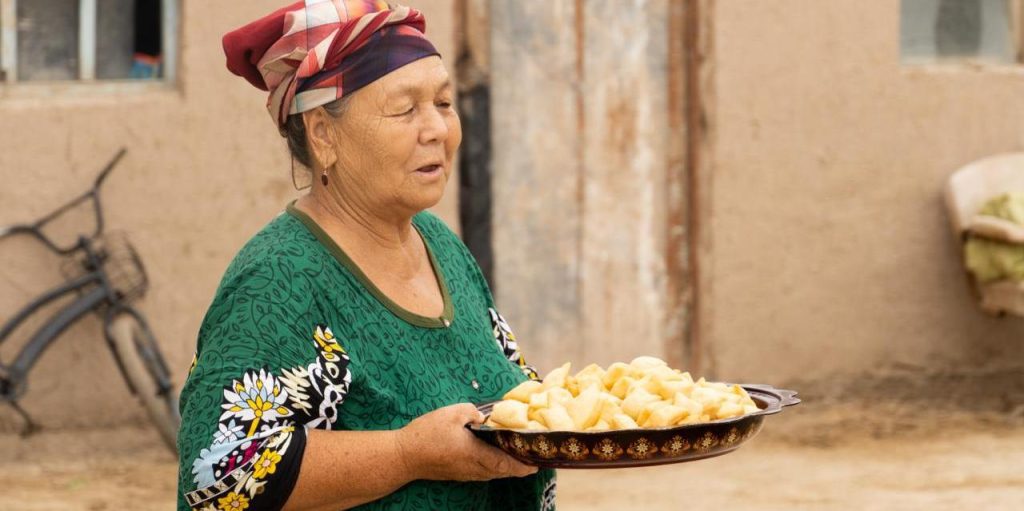
The school operates as a knowledge exchange platform, not a top-down intervention, but a collaborative process of learning from the land, from local communities, and from the intergenerational knowledge embedded in the region’s traditions. As one participant reflection noted:
“Tracing the interrelations of the Aral Sea has revealed something unexpected: our work is less about ‘studying a crisis’ and more about learning how to see a system. Instead of treating the Aral water crisis as a technical failure, we approached it as a web of broken relationships — between water and identity, economy and ecology, local knowledge and distant decision-making.”